






Our Technical SEO Services
On-Page SEO
We optimise title tags, meta descriptions, header structure and internal linking. Each element gets attention because search engines use these signals when determining rankings. We place keywords where they belong without stuffing them into awkward positions that make your content unreadable.
Performance Optimisation
Slow sites lose visitors and rankings. We tackle this through image compression, code minification, caching and server optimisation. Your Core Web Vitals scores improve across desktop and mobile. The result is simple: people stick around longer, bounce rates fall and Google ranks you higher.
Website Indexing
Search engines need efficient access to your content. We optimise XML sitemaps, configure robots.txt files and improve internal linking to help crawlers discover and index your pages. New content gets indexed faster and existing pages maintain visibility without wasting crawl budget on low-value URLs.
Structured Data & Schema
We add structured data markup that helps search engines understand your content type and context. This lets them display rich results - star ratings, product details, business information and other features that make your listings stand out. Rich results get more clicks than standard listings.
Database Optimisation
WordPress databases slow down over time as they accumulate unnecessary data. We clean spam comments, remove old post revisions, delete unused media and eliminate plugin remnants. Query optimisation and table restructuring reduce server load. The site loads faster and crawlers work more efficiently.
SEO Migrations
Platform changes, domain moves and major restructures put your search visibility at risk. We plan migrations that protect existing rankings through proper redirects and URL mapping. Technical configuration gets handled before launch to prevent traffic loss during transitions that could otherwise damage months of SEO work.
Our Technical SEO Case Studies



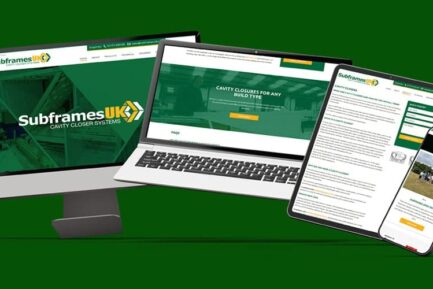
Performance Optimisation Case Study
Our SEO team at DesignerNest knows that speed matters. A fast-loading website keeps visitors engaged, improves search rankings and makes navigating the site effortless. That’s why we’re excited to reveal the impressive PageSpeed Insights results for Acronyms’ newly built website.
Acronyms’ site has achieved near-perfect scores:
- 99 – Performance
- 99 – Accessibility
- 96 – Best Practices
- 100 – SEO
This outstanding performance is the result of meticulous web development, optimised code and world class hosting. From streamlined assets to efficient loading times, every aspect of the site has been fine-tuned to deliver a seamless experience for visitors.
Read more about our work with Acronyms here.

Our Technical SEO Services Process
Technical SEO needs proper analysis before implementation. We identify issues holding your site back, then prioritise fixes based on actual business impact. Our audits use industry tools and manual testing to examine site architecture, performance metrics, indexation status and technical configuration.
On-Page Optimisation
On-page SEO covers the elements that tell search engines what your content discusses and why it matters. We optimise title tags, meta descriptions, headers and internal links using keyword research and competitive analysis. Target search queries get addressed whilst supporting broader content themes.
Keywords get placed where they need to be without awkward phrasing or repetition that damages readability. We handle schema markup, image alt text and internal linking that helps both users and search engines navigate your content.
Technical implementation covers all devices and meets accessibility requirements. On-page elements load correctly whether someone visits on desktop, mobile or uses assistive technologies.
Performance Baseline Assessment
We start by measuring current site speed, Core Web Vitals and user experience across devices. Performance issues affect rankings through Google’s page experience signals. They also drive users away through slow loading and poor interactions.
Testing examines server response times, image optimisation, code efficiency and caching under real conditions. We identify specific bottlenecks slowing your pages across different device types and connection speeds. This data shows which improvements will have genuine impact rather than marginal gains.
We focus on improvements that make a measurable difference to how users experience your site and how well it performs in search. Changes get implemented carefully so they work with your existing functionality and design.
Crawlability Configuration
Search engines waste time crawling pages that don’t need indexing. We stop this by configuring XML sitemaps, robots.txt files and internal linking to direct crawlers towards pages that matter. Duplicate content, thin pages and irrelevant URLs get blocked.
Server log analysis and Search Console data show current crawling patterns and indexation issues. Configuration removes technical barriers preventing proper content discovery. Crawl budget gets allocated to pages that actually drive business value.
Better crawlability means new content gets indexed quickly and existing pages maintain rankings. Search engines use their resources on your site more efficiently.
Structured Data Implementation
Structured data markup adds context that helps search engines understand content and display rich results. We implement schema for products, services, reviews, events and local business information following schema.org standards.
Implementation gets tested and validated to confirm correct display in search results. We prioritise schema types that align with your keywords and business goals. Not every schema type provides equal value, so we focus on markup that improves visibility and click-through rates.
Database Performance Optimisation
WordPress databases accumulate bloat through plugin changes, content updates and system modifications. Query execution times increase, page loading slows and server resources get wasted on unnecessary data.
We analyse database performance to identify inefficient operations. Optimisation removes spam comments, post revisions, unused media and abandoned plugin data. Query structure gets improved and table organisation gets streamlined.
These changes create sustainable performance improvements that support site growth without constant maintenance. Important content and functionality stay intact whilst performance bottlenecks get eliminated.
SEO Migration Planning & Execution
Migrations risk significant traffic loss without proper technical planning. Platform changes, domain moves, site restructures and major design updates all need careful handling to protect existing rankings.
We start with comprehensive site audits and URL mapping to identify content requiring protection. Migration strategies preserve link equity and maintain search visibility throughout the transition. Planning covers redirect mapping, content preservation and technical configuration specific to your migration type.
Execution follows staged implementation with testing at each phase. Monitoring protocols catch issues before they affect search performance. Post-migration tracking verifies rankings, traffic and indexation status to confirm the migration succeeded without damaging your organic visibility.
FAQs
How long does technical SEO take to show results?
You’ll typically see initial impact within 4-8 weeks. More complex changes take 3-6 months to show their full effect. Performance improvements and on-page work tend to deliver quicker results. Structural changes and database optimisation take longer because search engines need to recrawl and reassess your entire site. We provide regular reporting so you can see where the technical work is making a difference.
What's the difference between technical SEO and regular SEO?
Technical SEO focuses on your website’s infrastructure, performance and accessibility to search engines. Regular SEO focuses on content creation and link building. Technical work fixes the issues that stop search engines reaching your content—things like site speed, crawlability, indexation problems and structural barriers. You need both working together. Technical SEO creates the foundation that allows your content and links to perform properly.
Do you work on websites not built on WordPress?
Yes, our technical SEO services work across different platforms. We only build new websites on WordPress, but we can audit, analyse and optimise sites on most content management systems. SEO audits, performance analysis, structured data and crawlability improvements aren’t platform-specific.
How do you measure technical SEO success?
We track search rankings, organic traffic growth, page speed improvements and Core Web Vitals scores. Crawl efficiency and indexation rates get monitored too, alongside business metrics like conversion rates and engagement. The reporting shows how technical improvements connect to actual business outcomes. Metrics are useful when they relate to your business goals.
What technical issues do you fix first?
It depends on business impact and how complex the fix is. We typically start with critical crawlability problems, severe performance issues and indexation barriers. Site speed problems get immediate attention because they directly affect user experience. Structural issues that limit search engine access come next. We balance quick wins with longer-term strategic improvements.
Can technical SEO fix a drop in search rankings?
It depends on what caused the drop. Technical issues like poor site accessibility, performance problems or indexation barriers can all hurt rankings. We run comprehensive audits to identify these problems and fix them. That said, ranking drops can also stem from content quality, increased competition or algorithm changes. Technical fixes help, but they’re not always the complete answer.
How often should technical SEO audits be conducted?
Quarterly audits work well for most businesses. Sites that are growing quickly or going through significant changes need more frequent checks. We recommend ongoing monitoring rather than one-off audits. This catches problems before they hurt your search performance. Regular maintenance stops issues building up and keeps your search visibility stable.
What's included in database optimisation?
We remove data that slows your site down—spam comments, old post revisions, unused media files. We also optimise database queries, clean out plugin remnants and improve table structure so data retrieval is faster. This creates lasting performance improvements without needing constant upkeep. Your important content and functionality stays untouched.
Do you handle website migrations?
Yes. We handle the technical planning, redirect mapping and post-migration monitoring to protect your search rankings during site changes. This covers platform changes, domain moves and major restructures, all of which can cause serious traffic loss if handled incorrectly. The work preserves your link equity and maintains search visibility throughout the transition.
How do you implement structured data?
We start by working out which schema types are relevant to your content and business goals. Then we add the technical markup using schema.org standards. This typically covers products, services, reviews and local business information. The structured data helps your search results stand out and improves click-through rates. We test everything to make sure the markup displays correctly and meets your specific requirements.

 Paul Clapp |
13/02/2026
Paul Clapp |
13/02/2026

Paul Clapp |
12/02/2026

 Sienna Lawrence |
09/02/2026
Sienna Lawrence |
09/02/2026

Sienna Lawrence |
16/01/2026

Every project starts with a conversation. Ready to have yours?
Start your project