





Our Graphic Design Services
Logo Design
Your logo is often the first visual impression people have of your organisation. We design logos that are clear, distinctive and built to work across digital and print. Our graphic designers take the time to understand your organisation, sector and audience, producing logo concepts that support long-term brand consistency rather than short-lived trends. Whether you are launching something new or refining an existing identity, we create logos that are practical, recognisable and fit for real-world use.
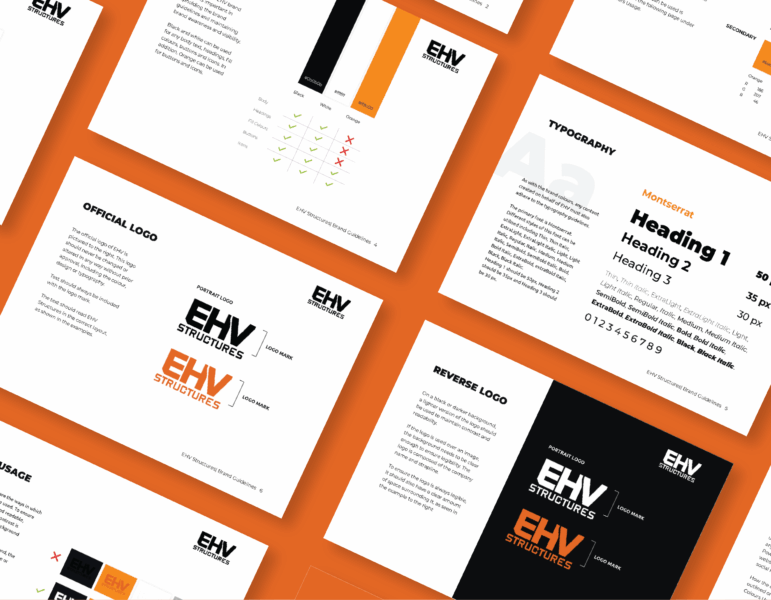
Branding and Visual Identity
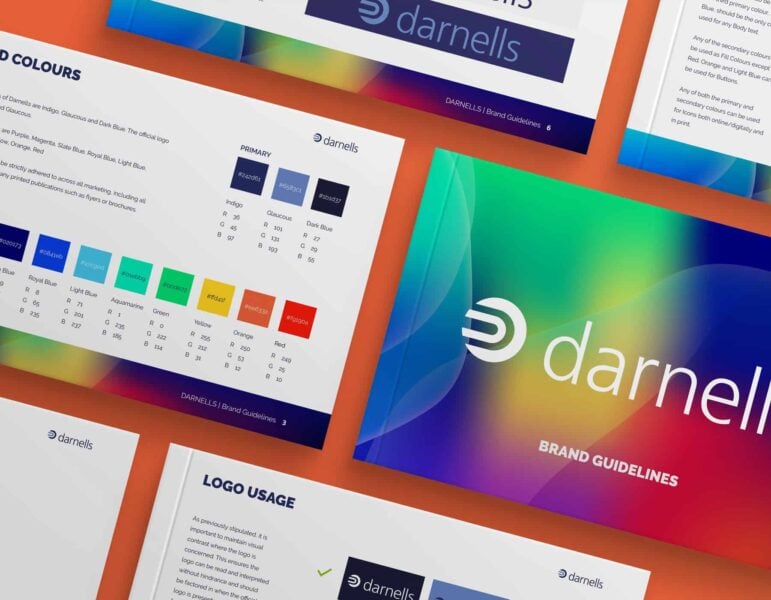
Branding is about consistency and clarity, not just appearance. We help organisations define and apply a visual identity that supports their values, positioning and communications. This includes logo usage, colour palettes, typography and supporting design elements that work across websites, marketing materials and internal documents. The result is a brand that feels joined-up, professional and easy to apply as your organisation grows.
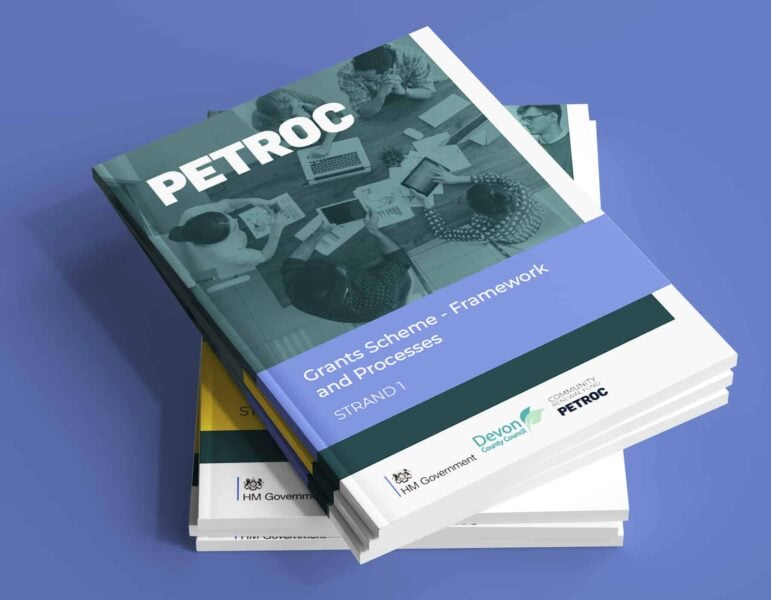
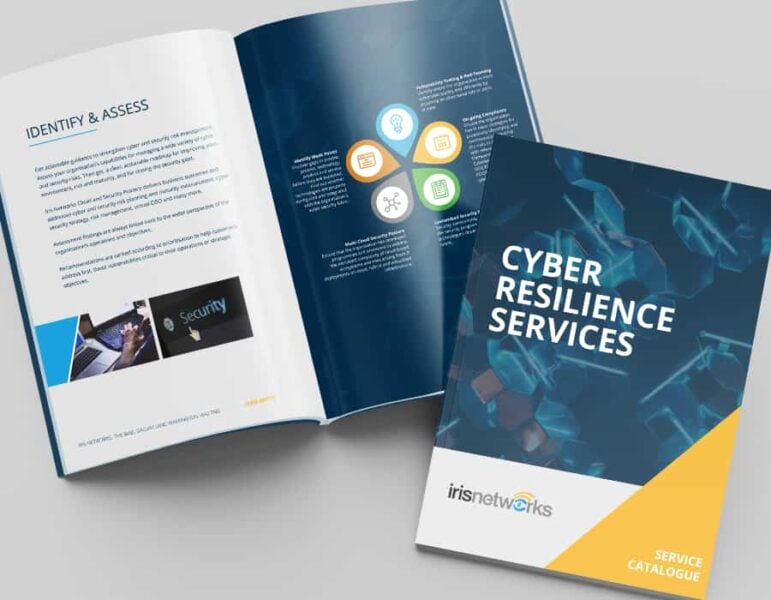
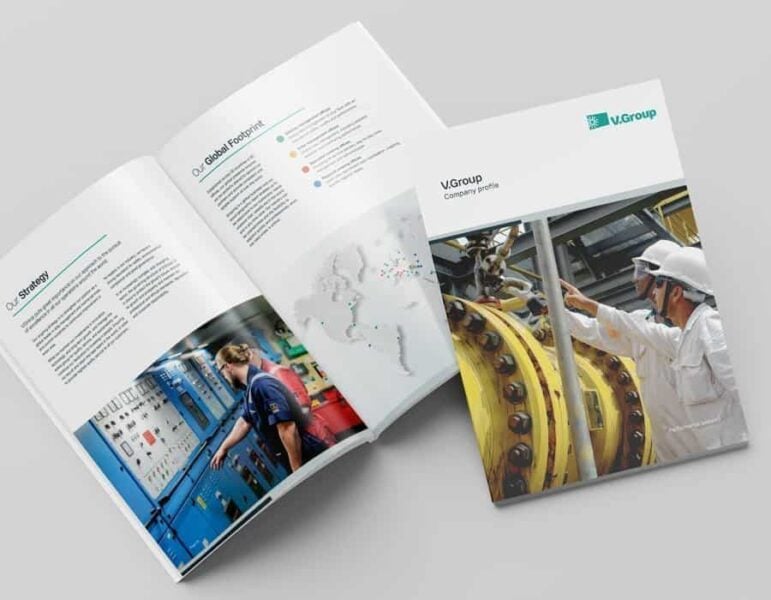
Brochure and Print Design
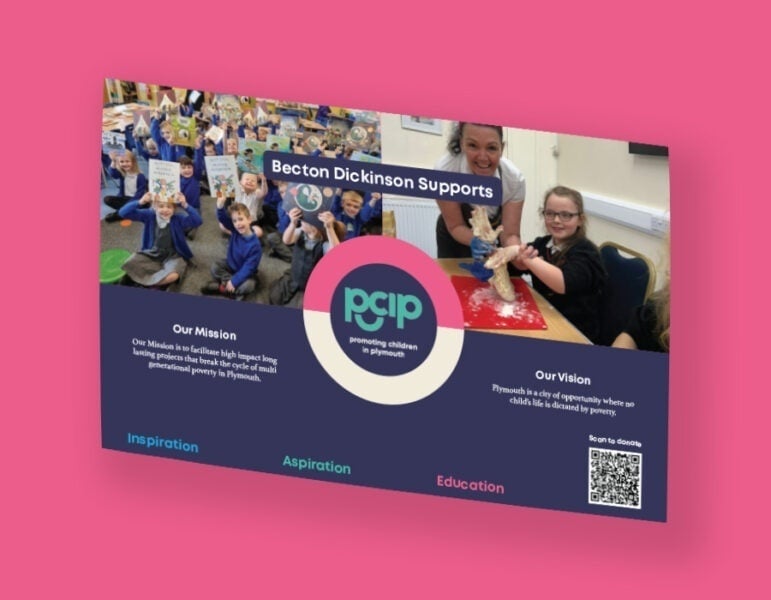
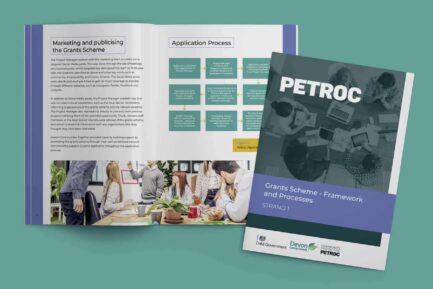
Printed materials still play an important role in sales, marketing and stakeholder communications. We design brochures, catalogues and printed documents that are easy to read, well structured and aligned with your wider brand. From corporate brochures to product catalogues and information packs, our focus is on clear messaging, strong layout and designs that work both on screen and in print.
Digital Marketing and Campaign Assets
We design digital assets that support marketing campaigns across websites, email and paid media. This includes social graphics, display ads, landing page visuals and campaign imagery. Designs are created with performance and consistency in mind, ensuring assets work together and align with your wider brand and marketing objectives.
Presentation and Report Design
Well-designed presentations and reports make complex information easier to understand. We design PowerPoint presentations, reports and documents that improve clarity, structure and visual flow. Ideal for sales teams, internal communications, public sector reporting and stakeholder presentations where professionalism and readability matter.
Exhibition, Signage and Large Format Design
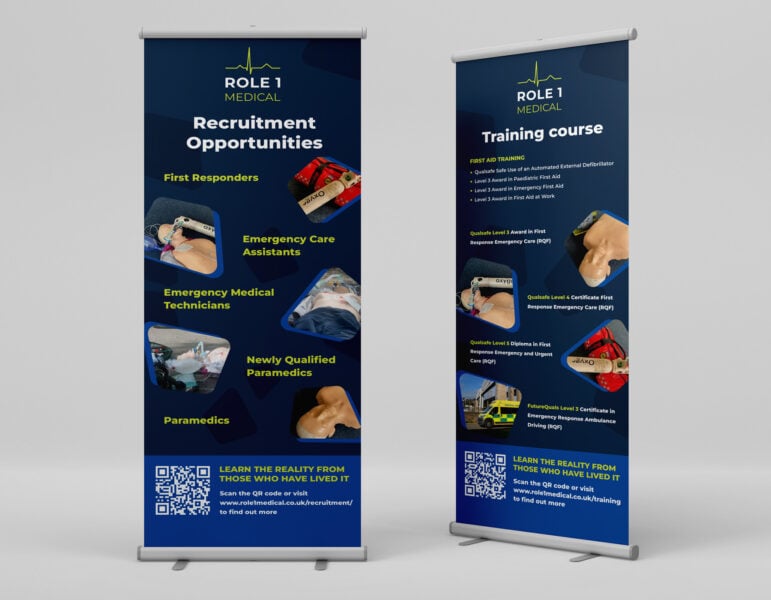
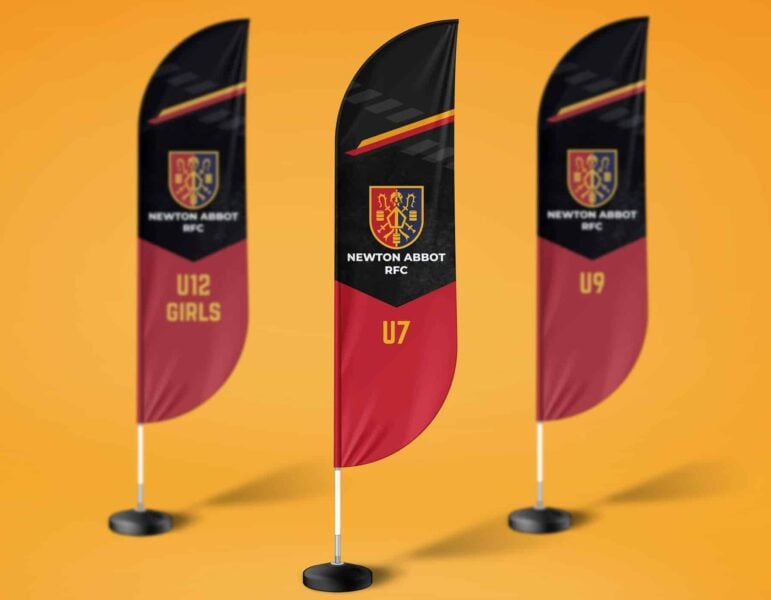
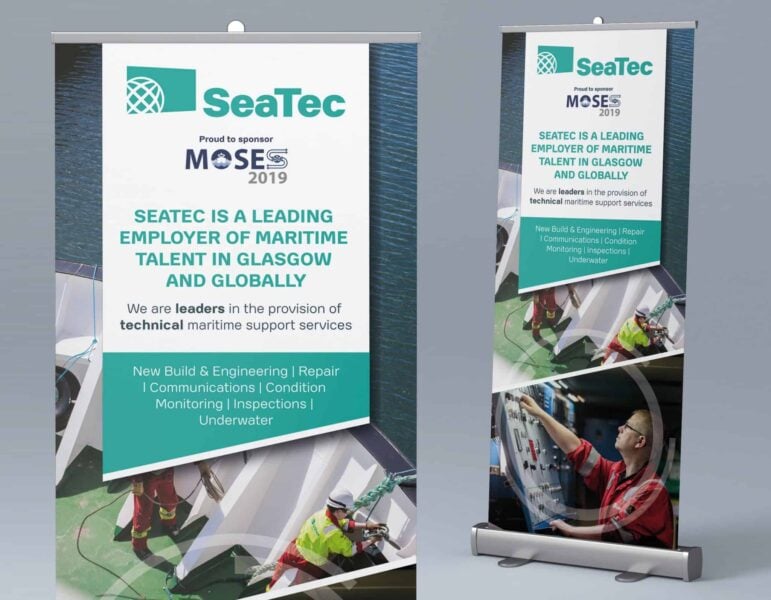
For organisations attending events or operating physical spaces, we design large format graphics that are clear, accessible and on-brand. This includes exhibition stands, pull-up banners, signage and display materials. Designs are created to work at scale and distance while remaining consistent with your digital and print materials.
Our Graphic Design Gallery
Strategic Graphic Design Services
DesignerNest delivers graphic design services that support your broader business objectives. Our design team creates visual assets that work seamlessly with your digital marketing, website and brand strategy. From logo design and brand identity through to marketing materials, presentations and print assets, we produce professional designs that connect with B2B audiences and public sector stakeholders.
Why Professional Graphic Design Matters for B2B Organisations
B2B decision-makers make judgements about your organisation within seconds of encountering your brand. Professional graphic design shapes these critical first impressions, whether someone is viewing your website, reading a proposal or receiving your business card. Poor design undermines credibility immediately. Professional design builds confidence and trust.
The difference between amateur and professional design is clear to your audience. Inconsistent logos, misaligned layouts and poor typography signal a lack of attention to detail. This matters particularly in B2B markets where purchasing decisions involve multiple stakeholders, longer sales cycles and higher values. Your visual identity needs to reassure procurement teams, board members and technical evaluators that your organisation operates at a professional standard.
Professional design also improves communication effectiveness. Complex B2B services and technical propositions become clearer through thoughtful information design, clean layouts and visual hierarchy. Well-designed proposals are easier to read and understand. Professional presentations hold attention and communicate authority. Quality brochures and reports get kept and shared rather than discarded.
For public sector organisations and regulated industries, professional design is non-negotiable. NHS Trusts must maintain public confidence. Housing associations need to communicate clearly with diverse resident populations. Legal and financial services firms must project stability and expertise. In these sectors, design quality directly impacts organisational reputation.
The return on investment from professional design extends beyond immediate impressions. Consistent, quality design reduces production costs over time through efficient templates and systems. It increases marketing effectiveness by improving response rates and engagement. It supports premium pricing by positioning your organisation as a quality provider. Most significantly, it builds brand equity that compounds over years, making every future marketing effort more effective.
Digital-First Design for Modern Businesses
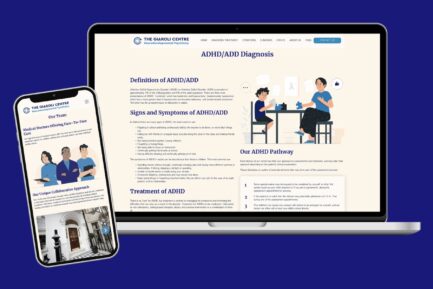
Modern business operates primarily through digital channels. Your graphic design must work perfectly across websites, emails, presentations, social media and digital documents. This requires more than simply creating designs that look good on screen. It demands understanding of technical requirements, platform limitations and user behaviour across different devices.
Website graphics need to load quickly while maintaining visual quality. This means optimising file sizes, choosing appropriate formats and understanding how images render across different screen resolutions. Presentations must work whether displayed on conference room screens, shared via Teams or viewed on tablets. Social media graphics need to maintain impact whether viewed on desktop LinkedIn or mobile Instagram. Email signatures must render correctly across Outlook, Gmail and mobile clients.
DesignerNest creates designs optimised for digital delivery from the start. We understand the technical specifications for different platforms and build assets accordingly. Graphics for your WordPress website are created with responsive design in mind, ensuring they scale appropriately across devices. PDF documents are optimised for both screen reading and professional printing. PowerPoint templates maintain consistency while allowing your team flexibility.
Digital design also enables opportunities that print cannot offer. Interactive elements, animation and video bring static brands to life online. Data visualisations can be updated dynamically. Digital brochures can include clickable links and embedded videos. These capabilities allow more engaging and effective communication with your audience.
Integration with your broader digital ecosystem is critical. Your visual design should align with your website’s user interface, complement your digital advertising and support your content marketing. DesignerNest coordinates design across all these touchpoints, ensuring consistency while optimising for each channel’s specific requirements. This joined-up approach strengthens brand recognition and improves campaign performance.
Marketing Materials That Drive Results
Marketing materials must do more than just look professional – they need to generate measurable outcomes. Whether creating sales presentations, campaign graphics or exhibition stands, every design element should support your commercial objectives. DesignerNest approaches marketing design with this results-focused mindset, creating materials that move prospects through your sales funnel.
Sales presentations need to tell your story clearly while maintaining engagement. We design PowerPoint and PDF presentations that structure your proposition logically, highlight key differentiators and make complex information digestible. Custom templates ensure your team can create consistent, professional presentations without starting from scratch each time.
Campaign materials require cohesion across multiple touchpoints. A single campaign might need social media graphics, email headers, landing page banners, downloadable guides and display advertising. Each asset must work individually while contributing to a unified campaign identity. We create campaign toolkits that provide this consistency while allowing flexibility for different messages and audiences.
Infographics and data visualisation turn statistics and research into compelling visual stories. For B2B organisations with complex value propositions or technical products, these tools simplify communication and increase engagement. We design infographics that work across your website, social media, presentations and printed materials, ensuring your key messages are communicated clearly.
Exhibition and event materials create physical brand experiences. Pop-up banners, exhibition stands and branded merchandise need to attract attention in busy environments while communicating professionalism. We design event materials that stand out while maintaining consistency with your broader brand identity. Technical specifications for large format printing, material selection and production logistics are all considered during the design process.
Case studies, white papers and thought leadership documents establish your expertise and build trust with prospects. These longer-form materials require careful typography, clear layout and professional finishing. We create templates that make these documents easy to read while reinforcing your brand identity throughout. The result is content that positions your organisation as an industry leader.
Design Standards for Healthcare and Public Sector
Healthcare organisations and public sector bodies operate under specific design requirements that go beyond standard commercial considerations. NHS Trusts must follow strict brand guidelines while maintaining their individual identity. Local authorities need to communicate with diverse populations while meeting accessibility standards. Housing associations must balance approachability with professionalism. DesignerNest understands these unique requirements and creates designs that meet all necessary standards while still achieving your communication goals.
NHS identity guidelines specify exact colours, typefaces and logo usage that must be followed precisely. We work within these parameters to create distinctive materials that comply with national standards while reflecting your Trust’s specific services and values. This includes understanding the hierarchy of NHS branding, correct partnership logo placement and appropriate use of the NHS blue.
Accessibility extends beyond WCAG compliance for websites. Print materials need appropriate contrast ratios, clear typography and logical information hierarchy. Documents must work for readers with varying literacy levels and visual impairments. We design with accessibility as a fundamental requirement, not an afterthought, ensuring your materials reach and serve your entire audience effectively.
Public sector procurement processes often require specific documentation formats and presentation standards. Tender documents, capability statements and framework submissions all have established conventions that must be respected. We create templates and materials that meet these requirements while still allowing your organisation to demonstrate its strengths and differentiation.
The sensitive nature of healthcare and public sector communications requires particular attention to tone and imagery. Medical information must be presented clearly without causing alarm. Public health campaigns need to motivate without patronising. Service changes must be communicated transparently while maintaining confidence. Our designers understand these nuances and create materials that strike the right balance for your specific context.
From Strategy to Delivery
Every design project begins with understanding your objectives, audience and practical requirements. We start by asking the right questions about how designs will be used, who needs to approve them and what success looks like. This discovery phase informs everything that follows, ensuring designs solve real business problems rather than just looking attractive.
Research and planning establish the foundation for effective design. We review your existing materials, analyse competitor approaches and understand your sector’s conventions. This research identifies opportunities to differentiate while respecting industry standards. We document technical specifications, production requirements and any compliance considerations before any creative work begins.
Initial concepts are developed based on strategic insights rather than aesthetic preferences. We typically present multiple directions that each solve your brief in different ways. These concepts are supported by rationale explaining design decisions and showing how they meet your objectives. This approach enables informed decision-making based on effectiveness rather than subjective preference.
Refinement and development turn chosen concepts into finished designs. This iterative process incorporates your feedback while maintaining design integrity. We manage revisions efficiently, documenting changes and ensuring all stakeholders remain aligned. Technical considerations like print specifications, digital requirements and accessibility standards are validated throughout this process.
Final artwork is prepared to professional standards for all required applications. Print-ready files are supplied with correct colour profiles, bleed and crop marks. Digital assets are optimised for their intended platforms. We provide comprehensive handover documentation specifying colours, fonts and usage guidelines. Where appropriate, we create templates that enable your team to produce consistent materials independently.
Implementation support ensures designs are reproduced correctly across all applications. We can manage print production, liaising with suppliers to ensure quality and consistency. For digital applications, we work with your web team or content creators to ensure correct implementation. This end-to-end service protects the integrity of your designs and maximises their impact.
Print and Physical Brand Assets
Physical materials remain important touchpoints for B2B organisations despite digital dominance. Business cards are still exchanged at meetings. Brochures are taken from exhibition stands. Reports are printed for board presentations. These tangible assets create lasting impressions and deserve the same strategic attention as digital design.
Business stationery establishes professionalism in every interaction. Well-designed business cards make memorable first impressions. Letterheads and compliment slips reinforce brand identity in correspondence. Email signatures need to work across different clients while maintaining consistency. We create stationery systems that work cohesively while serving their individual functions effectively.
Brochures and printed literature serve different purposes at various stages of the customer journey. Capability brochures establish credibility with prospects. Product sheets provide detailed specifications for evaluation. Case studies demonstrate success to build confidence. Each type requires different design approaches while maintaining brand consistency. We design print literature that informs, persuades and reassures at appropriate points in your sales process.
Exhibition and event materials create brand experiences in physical spaces. Pull-up banners need to attract attention from distance while remaining informative up close. Exhibition stands must function as both advertisement and meeting space. Conference materials need to be practical while reinforcing your brand presence. We design event materials that work hard throughout busy events while maintaining professional appearance.
Production quality significantly impacts perception of print materials. Paper stock selection, finishing options and print techniques all contribute to the final impression. We specify appropriate materials for each application, balancing quality with budget considerations. Our relationships with trusted print suppliers ensure consistent quality and competitive pricing.
Technical requirements for print production must be understood and planned for from the design stage. Colour management ensures brand colours reproduce accurately. Correct file preparation prevents production delays and additional costs. Understanding finishing processes enables designs that use special techniques effectively. DesignerNest manages these technical considerations, ensuring smooth production and professional results.
Graphic Design FAQs
How can graphic design benefit my business?
Graphic design enhances brand identity, improves communication with customers, makes marketing materials more attractive and impactful and helps businesses stand out in a competitive market.
What is the role of typography in graphic design?
Typography is the art of arranging and selecting typefaces to enhance readability, legibility and visual appeal in designs. It plays a crucial role in communicating the tone and message of a design.
How long does it take to complete a graphic design project?
The timeline for a graphic design project varies based on its complexity, scope and client requirements. Some projects can be completed in a few hours, while others may take several weeks.
Can I use copyrighted images in my graphic designs?
It is essential to obtain proper permissions and licenses for copyrighted images before using them in your designs. Alternatively, use royalty-free or stock images with appropriate licensing.
What are the common mistakes to avoid in graphic design?
Some common mistakes to avoid include using too many fonts, cluttered layouts, ignoring responsive design principles, using low-resolution imagesand neglecting the importance of white space.
How can I communicate my design ideas to a graphic designer?
Provide clear and detailed design briefs, share visual referencesand communicate your preferences regarding colours, style and overall theme. Regular feedback and open communication are vital throughout the design process.
How do you ensure that the designs reflect our brand identity?
Our team takes time to understand your brand values, target audienceand overall business objectives. This ensures that all design elements reflect your brand’s personality and message consistently across all platforms.
Will the designs be unique to our brand?
Absolutely. All our designs are bespoke and tailored to your brand’s identity and requirements. We don’t use templates, ensuring that every piece of work is original and aligns with your specific needs.
Can you work with existing brand assets?
We can do both. If you already have brand assets like logos or design elements, we can work with those to develop further materials. Alternatively, if you’re starting from scratch or looking for a complete refresh, we can create entirely new assets.
How many pages should a brochure have?
A brochure should always have a page count that is a multiple of four. This is because brochures are typically printed on large sheets that are folded and trimmed, with each sheet forming four pages.
The minimum is usually four pages, but most brochures fall between 8 and 16 pages depending on the content. A simple overview might only need 8 pages, while something more detailed such as a service guide or product catalogue may require 12, 16 or more.
The right page count depends on how much content you want to include, how much space your design needs, and your print budget. Planning in multiples of four helps avoid layout issues and keeps the final product clean and professional.
Our Graphic Design Case Studies
 Cara Vallance |
20/02/2026
Cara Vallance |
20/02/2026

 Sienna Lawrence |
20/02/2026
Sienna Lawrence |
20/02/2026

 Paul Clapp |
20/02/2026
Paul Clapp |
20/02/2026

Paul Clapp |
19/02/2026

Every project starts with a conversation. Ready to have yours?
Start your project